
Air Source Heat Pump Installers Berkshire: What to Consider Before Installation
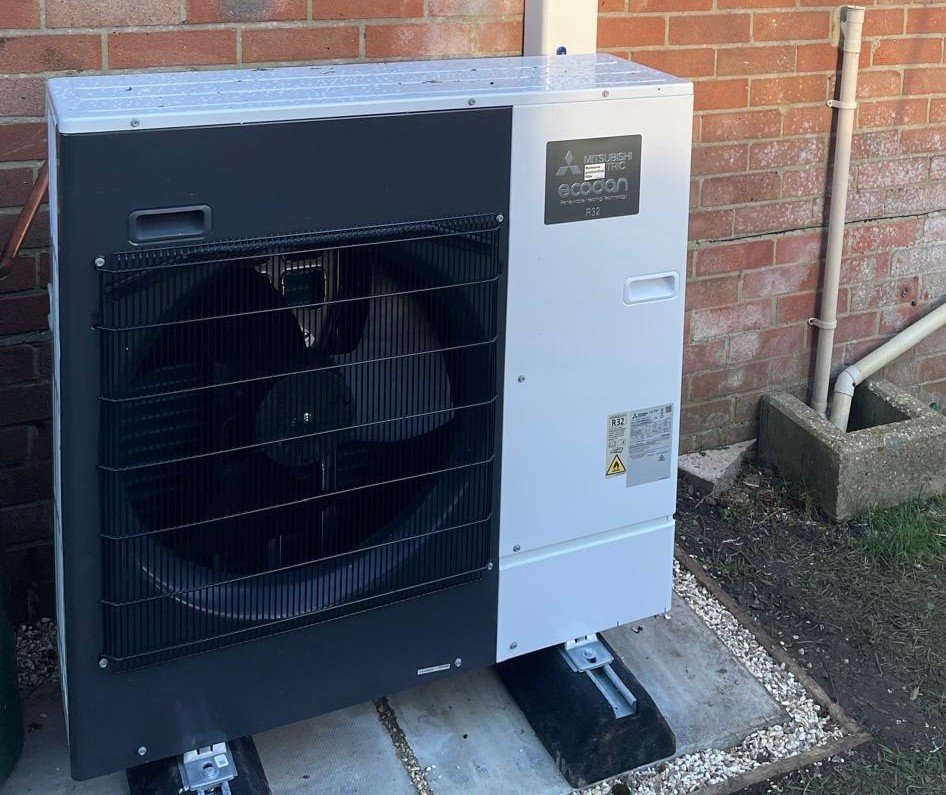
Air source heat pumps provide a lower-carbon alternative to conventional gas, oil and LPG heating by using energy available in the outside air to provide heating and hot water. Getting the right result, however, depends on choosing an appropriate system for the building and ensuring the wider heating setup can support it.
Alliance Renewables Solutions designs and installs air source heat pumps for homes and businesses across Berkshire. We assess the individual requirements of each project before recommending an approach, helping customers understand what is suitable and what may be involved in making the change.
How Does an Air Source Heat Pump Work?
An air source heat pump absorbs heat from the outside air and uses a refrigeration cycle to raise its temperature before transferring that energy into the building.
Unlike a gas or oil boiler, it does not burn fuel at the property to generate heat. Electricity powers the process of moving and upgrading energy already available in the outside air.
The resulting heat can be used for space heating and, with an appropriate system configuration, domestic hot water.
Is Your Property Suitable for an Air Source Heat Pump?
Heat pumps can work in many different types of buildings, including older properties. Suitability depends on the characteristics of the individual property rather than its age alone.
One of the key considerations is heat loss. Understanding how much heat each room loses helps establish what the system needs to deliver to maintain comfortable internal temperatures.
Existing radiators or underfloor heating also need to be considered because heat pumps typically operate at lower flow temperatures than conventional boilers. Some existing radiators may be suitable, while others may need to be resized or replaced to provide the required heat output.
Hot water demand, available outdoor space and an appropriate location for the external unit can also influence the proposed installation.
Why Heat Pump Design and Sizing Matter
Correct sizing is fundamental to heat pump performance. The proposed system needs to be capable of meeting the calculated heating demand of the property, rather than being selected solely on the size of the existing boiler or simply choosing a larger unit as a precaution.
The heat source is only one part of the installation. Heat emitters, pipework, hot water provision and controls also influence how the complete setup operates.
Considering these elements together allows the installation to be specified around the actual requirements of the building and the temperatures at which the heating will operate.
What Happens Before Air Source Heat Pump Installation?
The process should begin with gathering the information needed to understand the property and its existing heating setup.
This can include assessing heat loss, heating and hot water requirements, existing emitters, available space and the practical considerations that could affect where components are installed.
These findings provide the basis for specifying the proposed system and identifying any associated changes required before or during installation. You should therefore have a clearer understanding of the proposed approach before work begins.
What Are the Benefits of an Air Source Heat Pump?
Air source heat pumps can reduce reliance on fossil fuels by using electricity to transfer heat from the outside air rather than generating it through combustion at the property.
Because they move existing heat rather than producing all of it directly from electricity, heat pumps can provide more heat energy than the electrical energy they consume. Actual efficiency varies according to factors including outdoor temperature, flow temperature, system design and operation.
Replacing fossil-fuel heating with a suitably designed heat pump can also reduce the carbon emissions associated with heating a building. For properties currently using oil or LPG, switching away from these fuels can remove the need for regular deliveries and on-site fuel storage.
Running costs should be considered separately from efficiency. They depend on electricity tariffs, the heating system being replaced, the building's heat demand, system performance and how the property is used, so savings should not be assumed.
Air Source Heat Pumps vs Gas and Oil Boilers
The main difference lies in how the technologies provide heat. Gas and oil boilers burn fuel, while an air source heat pump uses electricity to transfer energy from the outside air into the building.
Heat pumps also commonly operate at lower flow temperatures. Rather than relying on short periods of higher-temperature output, an appropriately designed heat pump installation can provide steady heating over longer operating periods.
Neither technology should be compared on the heat source alone. The characteristics of the property, its heating demand, existing infrastructure and energy costs all influence which approach is appropriate.
Do Air Source Heat Pumps Need Servicing?
Yes. Air source heat pumps require periodic servicing, with the appropriate interval and work determined by the particular system and manufacturer's guidance.
A service provides an opportunity to check the condition and operation of relevant components and complete the routine requirements applicable to the installed unit. Following the correct servicing schedule may also be important for meeting the conditions of a manufacturer's warranty.
If performance changes or a fault develops between services, the cause should be properly diagnosed before deciding what repair is required.
Why Choose Alliance Renewables Solutions?
Alliance Renewables Solutions brings practical heating and plumbing knowledge into renewable heating projects across Berkshire.
We focus on understanding what each installation requires before work begins, with careful planning, quality workmanship and attention to the finished result throughout the project.
Our team works with homeowners and businesses, providing support from the initial survey through to installation and ongoing care.
Air Source Heat Pump FAQs
Do air source heat pumps work in cold weather?
Yes. Air source heat pumps can continue extracting heat from the outside air at low outdoor temperatures. Their capacity and efficiency can change as conditions become colder, which needs to be accounted for when the system is specified.
Can an air source heat pump provide heating and hot water?
Yes. An appropriately configured air source heat pump system can provide space heating and domestic hot water. The exact arrangement will depend on the property and its requirements.
Can an air source heat pump replace a gas, oil or LPG boiler?
It can provide an alternative in suitable properties. The existing setup should be assessed first because changing heat source may also require alterations elsewhere in the heating system.
Do all radiators need replacing when installing a heat pump?
Not necessarily. Each radiator needs to provide sufficient output for the heat requirement of the room at the proposed operating temperatures. Some existing radiators may already be suitable, while others may need to be resized or replaced.
Are air source heat pumps suitable for older homes?
They can be. Age alone does not determine suitability. The building's heat loss, existing heating setup and other practical considerations are more important when establishing whether a heat pump is appropriate.
Are air source heat pumps cheaper to run than boilers?
Not necessarily. Running costs vary according to electricity and fuel prices, system efficiency, the heating technology being replaced, the building's heat demand and how the system is operated. A fixed saving should not be assumed.
How long does air source heat pump installation take?
There is no single installation time that applies to every property. The scope will depend on the proposed system and whether changes are required to elements such as radiators, hot water provision or existing pipework.
How often should an air source heat pump be serviced?
The correct servicing interval depends on the system and manufacturer's requirements. Owners should follow the guidance provided for their particular installation, including any servicing conditions associated with the manufacturer's warranty.
Looking for Air Source Heat Pump Installers in Berkshire?
If you're considering an air source heat pump for your home or business, the first step is establishing what will work for your property.
Alliance Renewables Solutions provides air source heat pump design and installation across Berkshire. Book a survey with our team to discuss your current heating setup, what you want to achieve and the options available.
Call 0118 230 1268 or email contact@alliancerenewablessolutions.co.uk