
Heat Pump Design & Heat Loss Calculations Berkshire
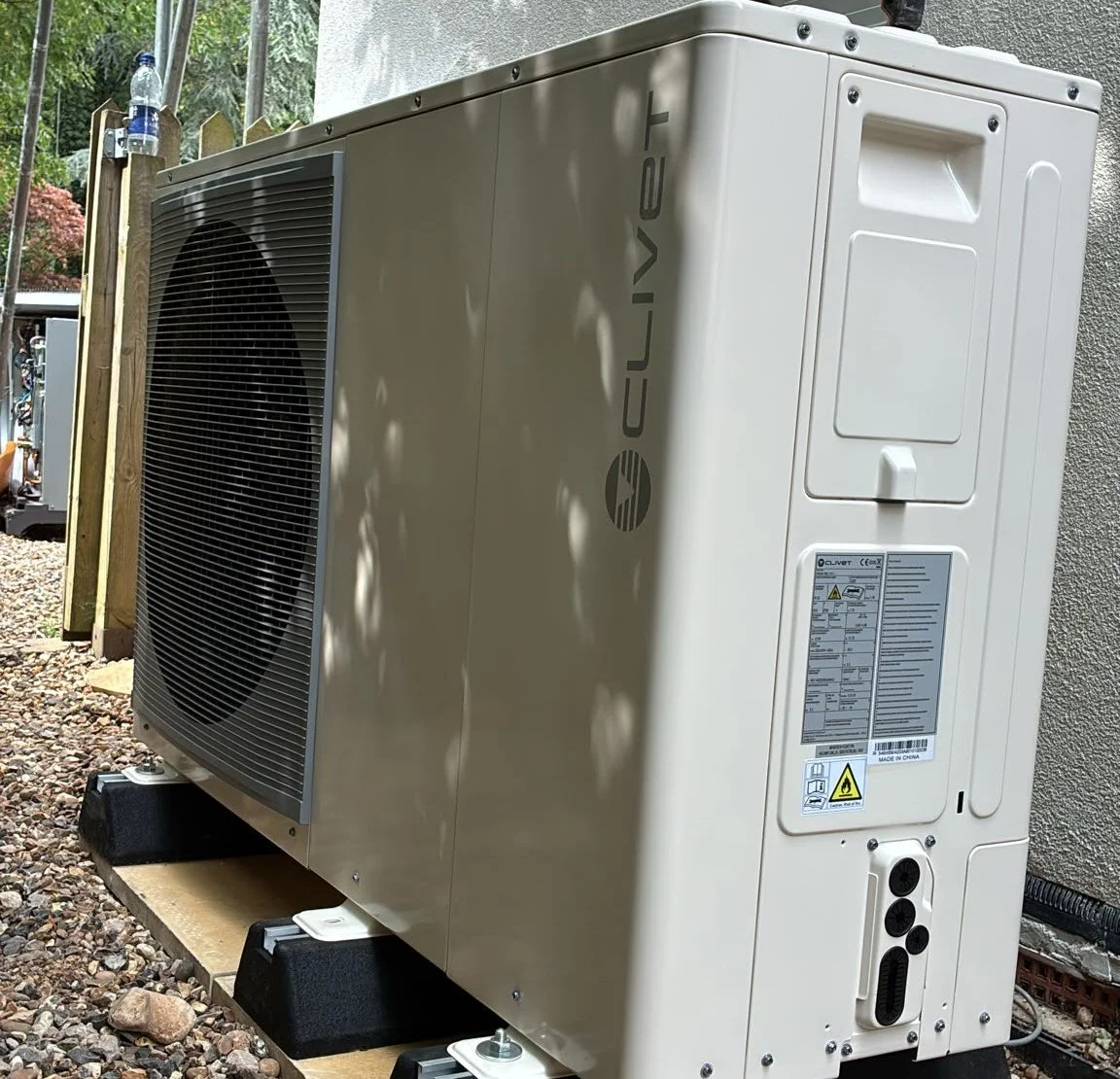
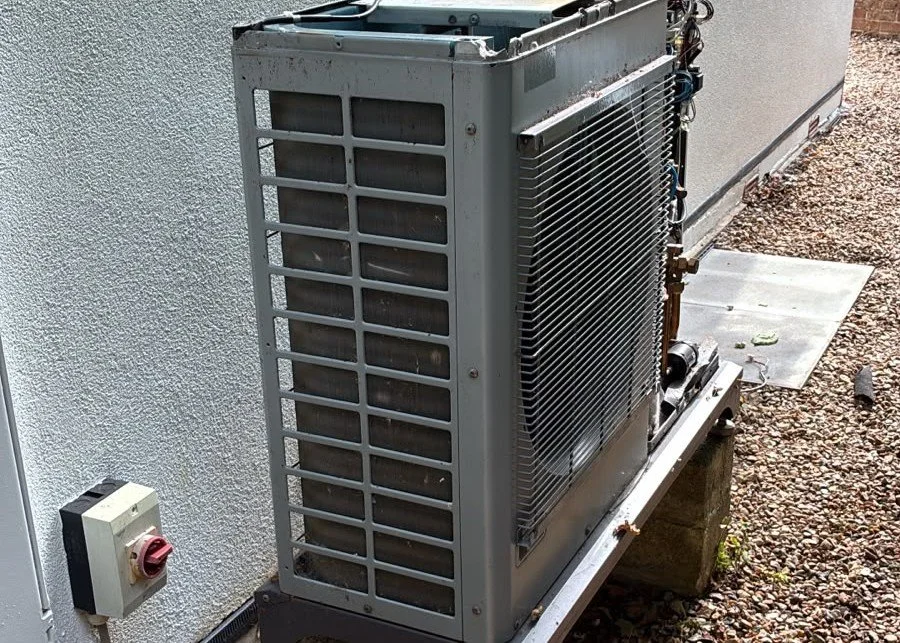
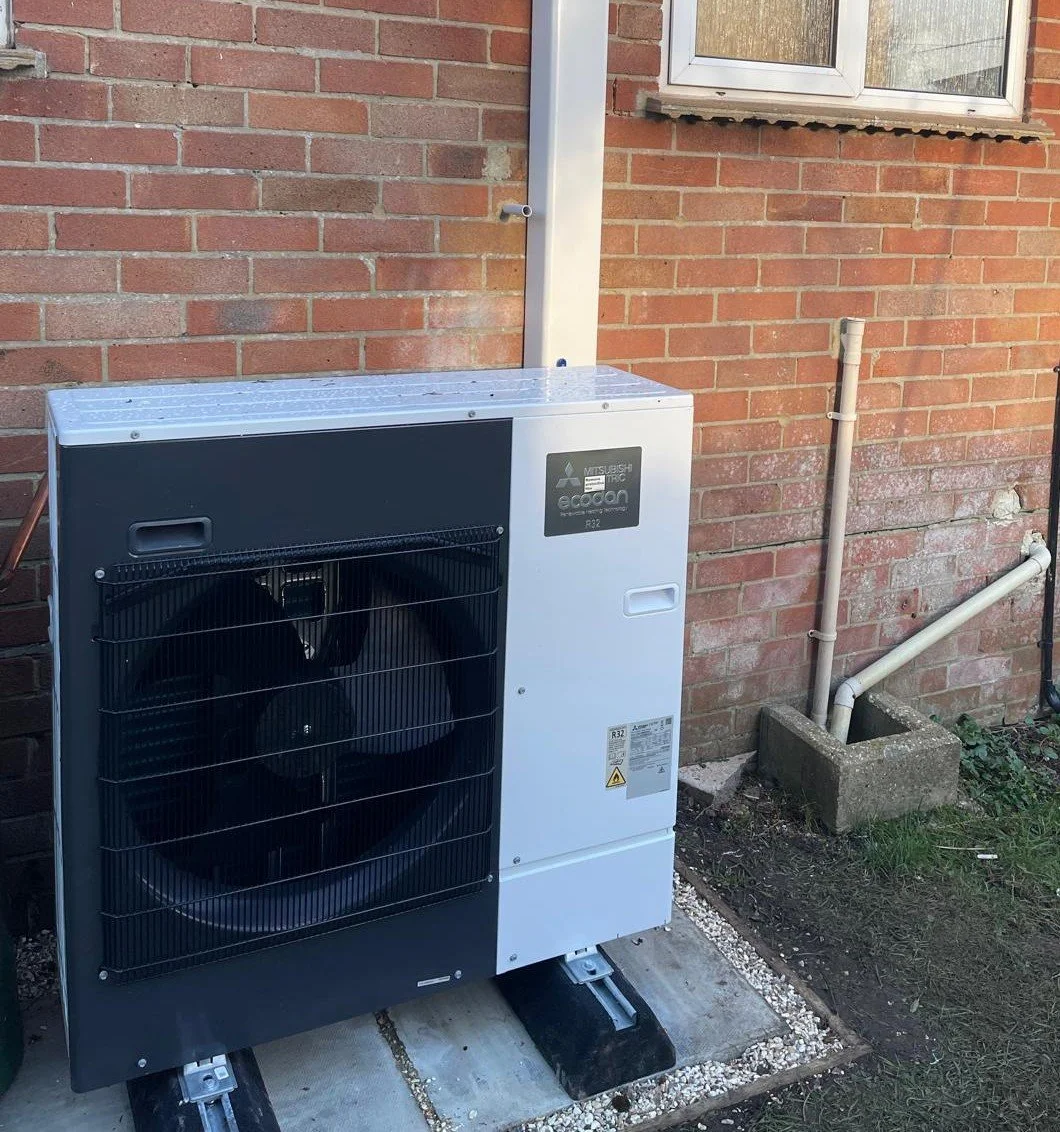
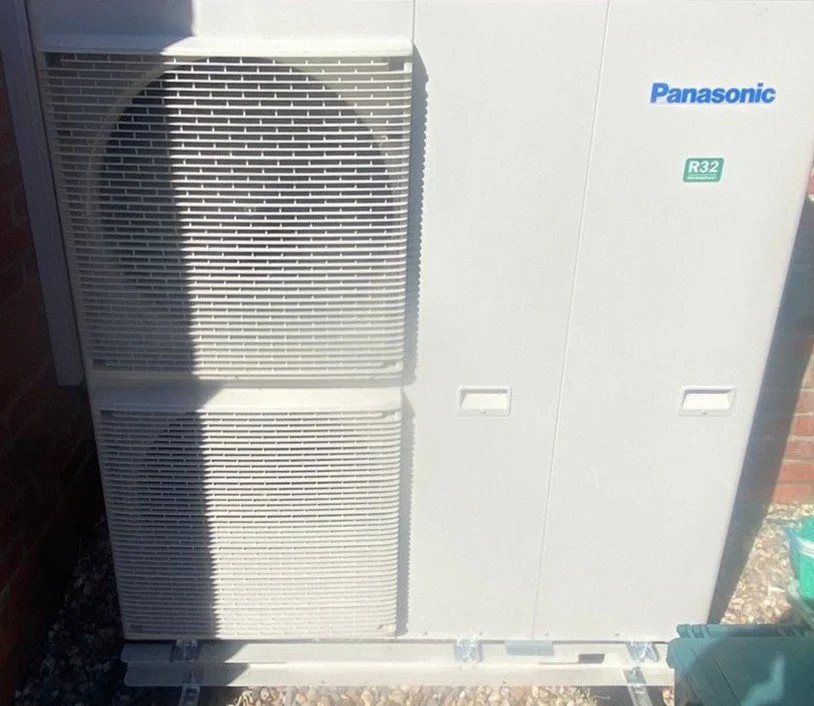
Choosing a heat pump isn't simply a case of replacing your existing boiler with a different piece of equipment. Every property has its own heating requirements and understanding those demands is essential when planning a system that can keep your home comfortable throughout the colder months. At Alliance Renewables Solutions, we take a considered approach to heat pump system design for homeowners and businesses across Reading and Berkshire. From assessing heat loss and existing radiators to selecting a suitable unit, we look at how the different parts of your heating installation need to work together before making recommendations.
Understanding Your Property's Heat Loss
Before specifying a heat pump, it's important to establish how much heat a building loses when outdoor temperatures fall. Heat escapes through walls, windows, floors and roofs, while ventilation and uncontrolled air leakage can also contribute to the overall heating demand.
A room by room heat loss calculation considers factors such as the size and construction of each space, insulation levels, glazing and the difference between intended indoor temperatures and the outdoor design temperature. This provides an estimate of the heat required to maintain comfortable conditions during colder weather.
Unlike relying on the capacity of an existing boiler or the property's floor area alone, this assessment provides a more informed starting point for heat pump sizing. It can also highlight where improvements to the building fabric may reduce the amount of heating needed.
“Alliance are a very professional company, very reliable and offer competitive rates. The jobs they carry out have been completed to a high standard and communication is always clear and concise. Definitely recommend this company for your plumbing & heating.”
Amanda Hodgkinson
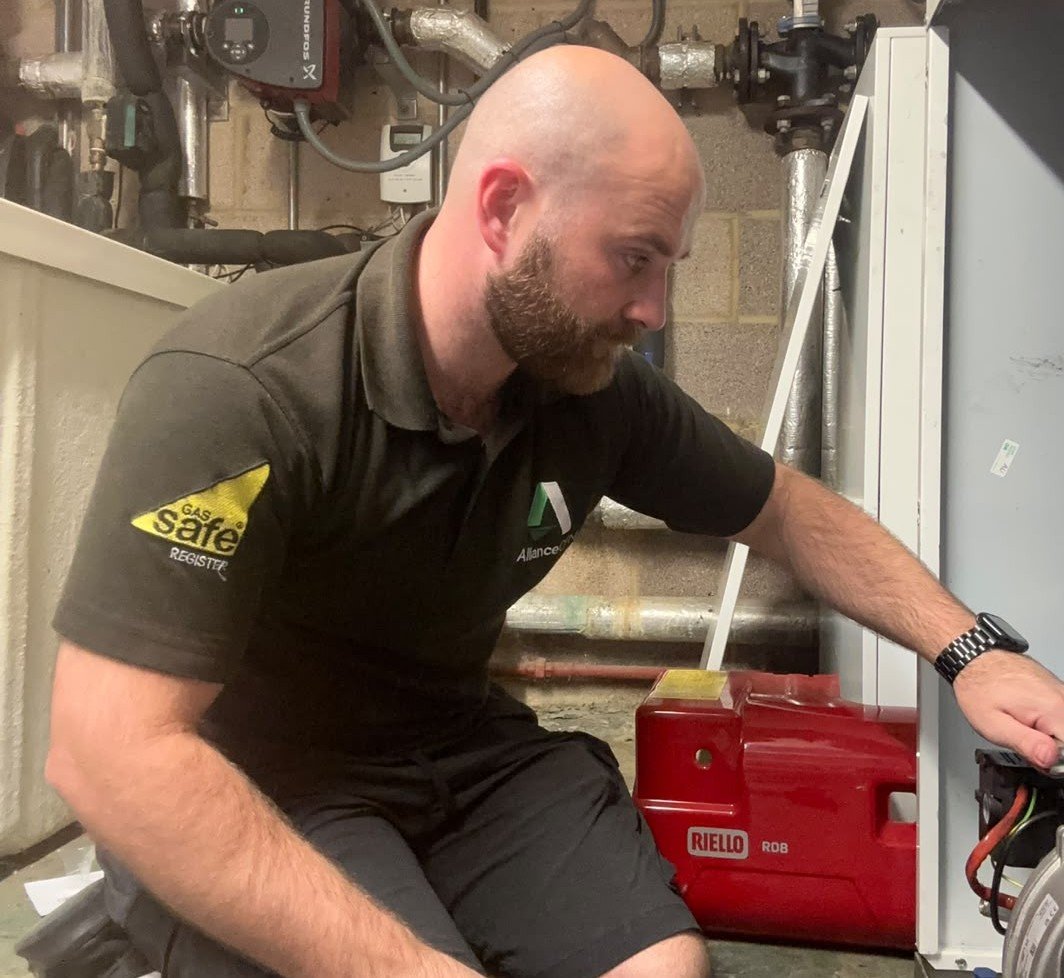
Choosing the Right Heat Pump Size and System Configuration
Once the property's heating demand has been established, the next step is selecting equipment capable of meeting it under the expected operating conditions. An undersized heat pump may struggle to maintain the desired temperature during particularly cold weather, while unnecessary oversizing can increase upfront costs and contribute to inefficient cycling in some installations.
System design also involves considering the heat pump's output at relevant outdoor temperatures, the required flow temperature, available modulation range and how domestic hot water will be provided. Manufacturer performance data is important here, as the rated capacity of a unit does not necessarily represent what it can deliver in every operating condition.
At Alliance Renewables Solutions, we consider these factors when planning an installation, helping establish an appropriate unit specification rather than choosing a model based on its advertised capacity alone.
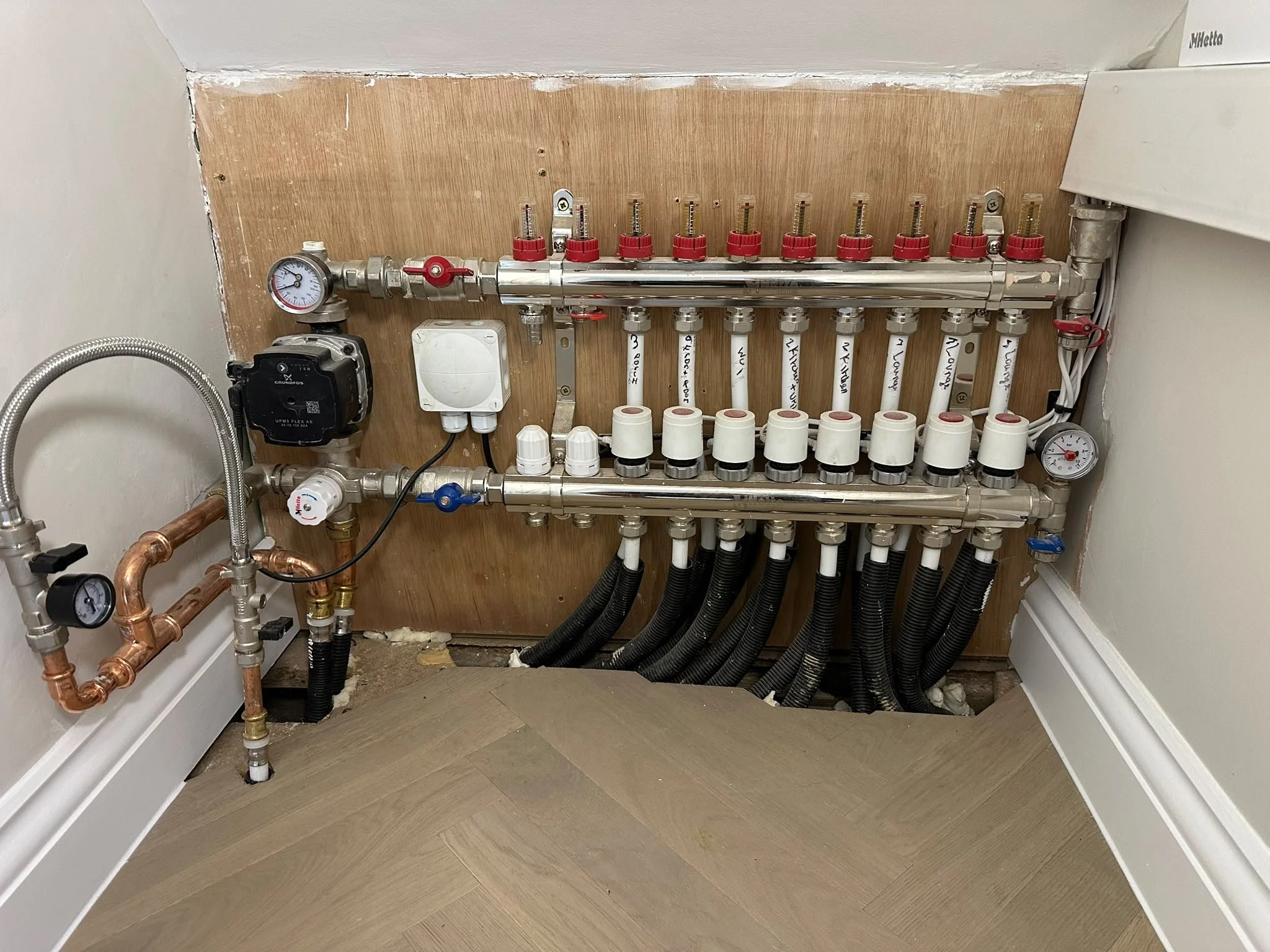
Assessing Radiators, Underfloor Heating and Existing Pipework
A heat pump can operate with radiators, underfloor heating or a combination of both, but the existing distribution system needs to be suitable for the temperatures and flow rates required. This is particularly important when replacing a traditional boiler, as many heat pump installations are designed to operate efficiently at lower water temperatures.
Individual radiators may need to be assessed against the calculated heat loss of each room. Some existing emitters will be suitable, while others could require upgrading to provide enough warmth at the proposed flow temperature. Pipework dimensions, hydraulic resistance and circulation requirements must also be considered to ensure adequate water flow throughout the installation.
These assessments help determine whether the current heating arrangement can be retained, where alterations may be beneficial and how the proposed heat pump will connect to the rest of the property.
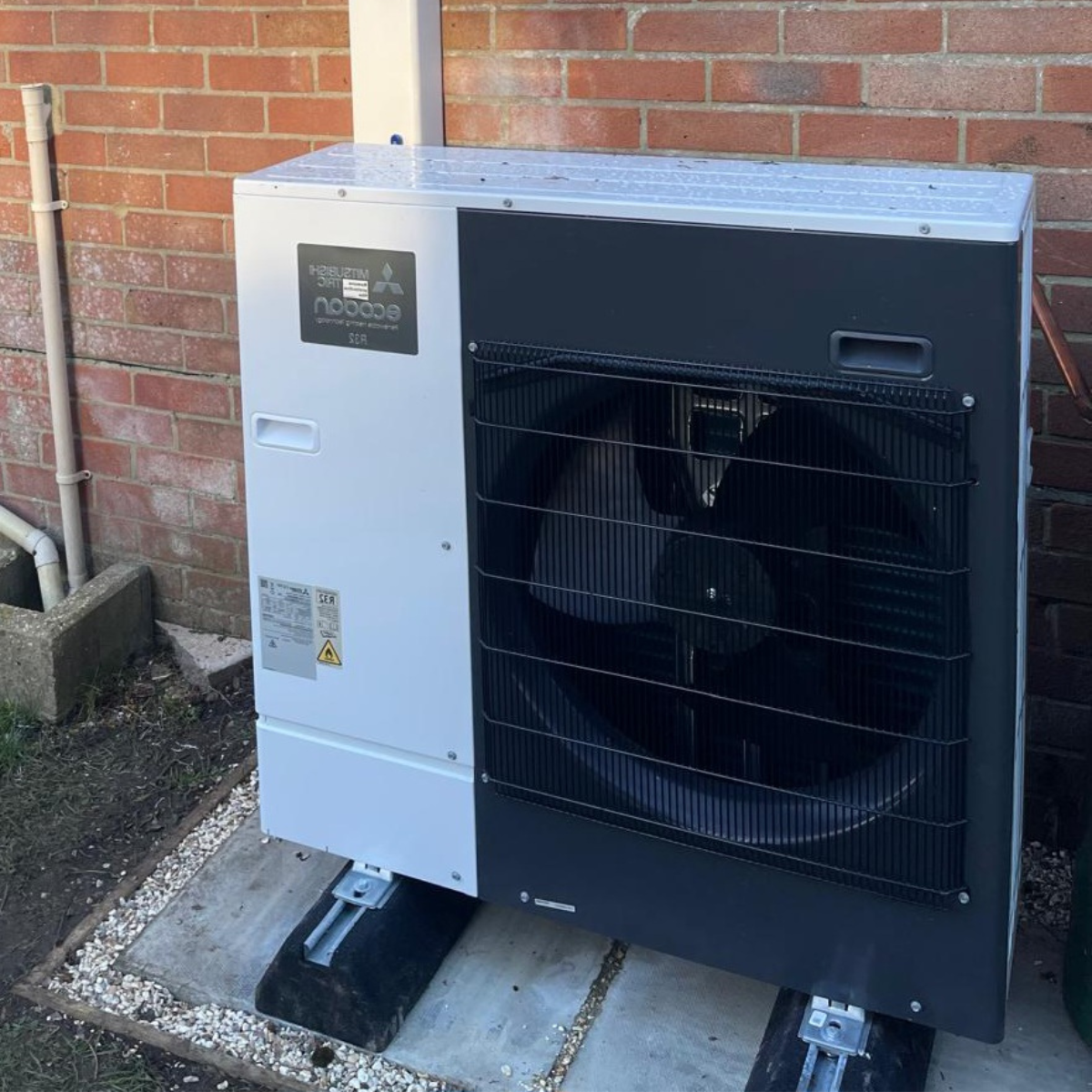
Designing for Heating Performance and Everyday Use
A well designed heat pump installation needs to work effectively beyond the coldest days of the year. Heating demand changes with the weather, occupancy and how different rooms are used, making controls and operating arrangements an important part of the overall design.
Weather compensation can adjust the target heating water temperature in response to outdoor conditions, while appropriate control settings and hydraulic arrangements help the equipment respond to varying demand. Domestic hot water requirements, cylinder suitability and the balance between space heating and water heating also need to be considered.
Our approach takes account of these practical details alongside the unit specification, with the aim of creating a heating system that is suited to the property and its occupants. Correct commissioning and appropriate settings remain important once installation is complete, as even well selected equipment can perform poorly if it is not configured correctly.
Based in Reading, Alliance Renewables Solutions supports customers across Berkshire with heat pump installation planning, system design and assessments of existing heating arrangements. Whether you're replacing a boiler, renovating a property or exploring renewable heating for a new project, contact our team to discuss your requirements and the next steps.
Discuss Heat Pump System Design in Reading & Berkshire
If you're considering an air source heat pump for your home or business, understanding the building's heating requirements is an important place to start. Get in touch with our team at Alliance Renewables Solutions this week.
Experienced Engineers You Can Rely On
Our engineers hold recognised industry qualifications and accreditations relevant to the work they carry out. These standards support the quality, safety and professionalism behind our installations, servicing and repairs, giving you confidence that your system is being looked after by appropriately qualified professionals.