
Heat Pump System Upgrades & Retrofitting in Berkshire
Thinking about replacing your existing boiler with a heat pump, but unsure whether the rest of your heating system is suitable? An air source heat pump retrofit doesn't always mean replacing everything you already have. Many properties can retain parts of their current installation, although some alterations may be needed to accommodate the different way the unit operates. At Alliance Renewables Solutions, we provide heat pump system upgrades and retrofitting for homeowners and businesses across Reading and Berkshire. From assessing existing radiators and pipework to adapting hot water arrangements and heating controls, we help establish what can stay, what needs changing and how the work can be planned around your property.
Assessing Your Existing Heating System for a Heat Pump
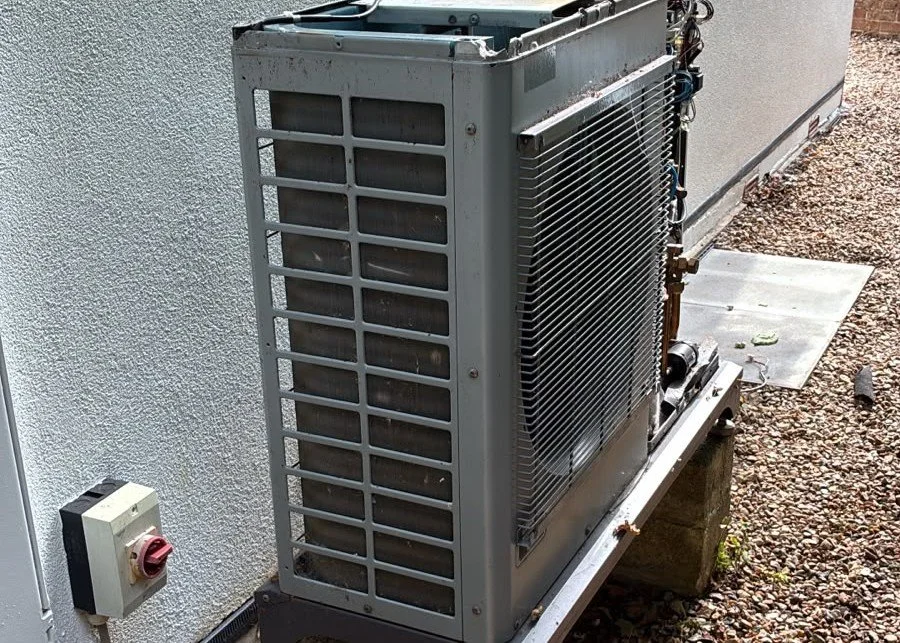
Before converting a property to heat pump heating, it's important to understand the condition and suitability of what's already installed. A system originally designed around a gas or oil boiler may have different operating requirements from an air source heat pump, particularly when it comes to water temperatures and circulation.
A room by room heat loss assessment helps establish how much heating each space requires, while an inspection of the existing installation identifies potential limitations. The age and condition of the equipment, distribution arrangements and current controls all influence what can be reused. Improvements to insulation may also reduce the building's heating demand and affect the specification of the proposed system.
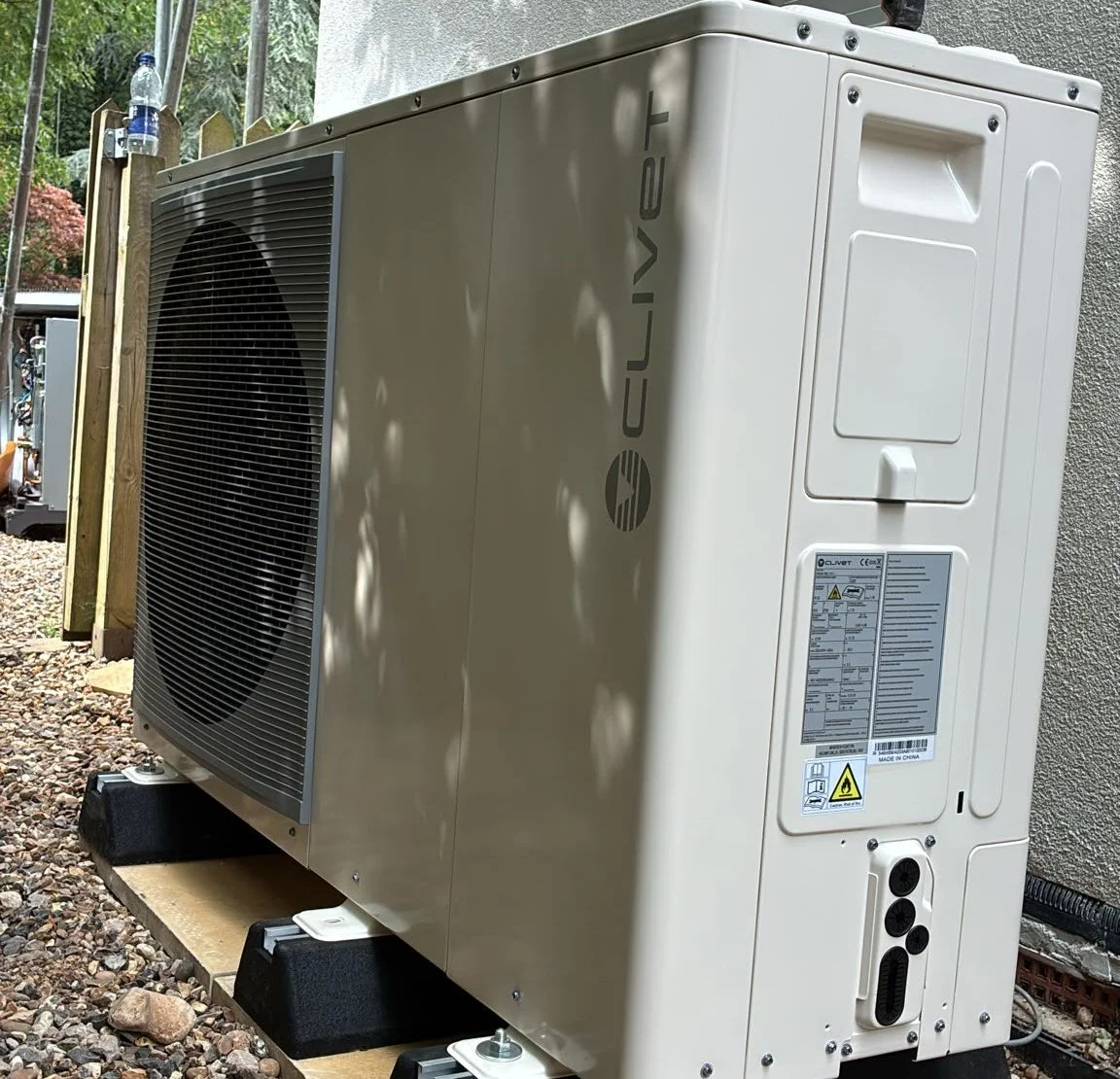
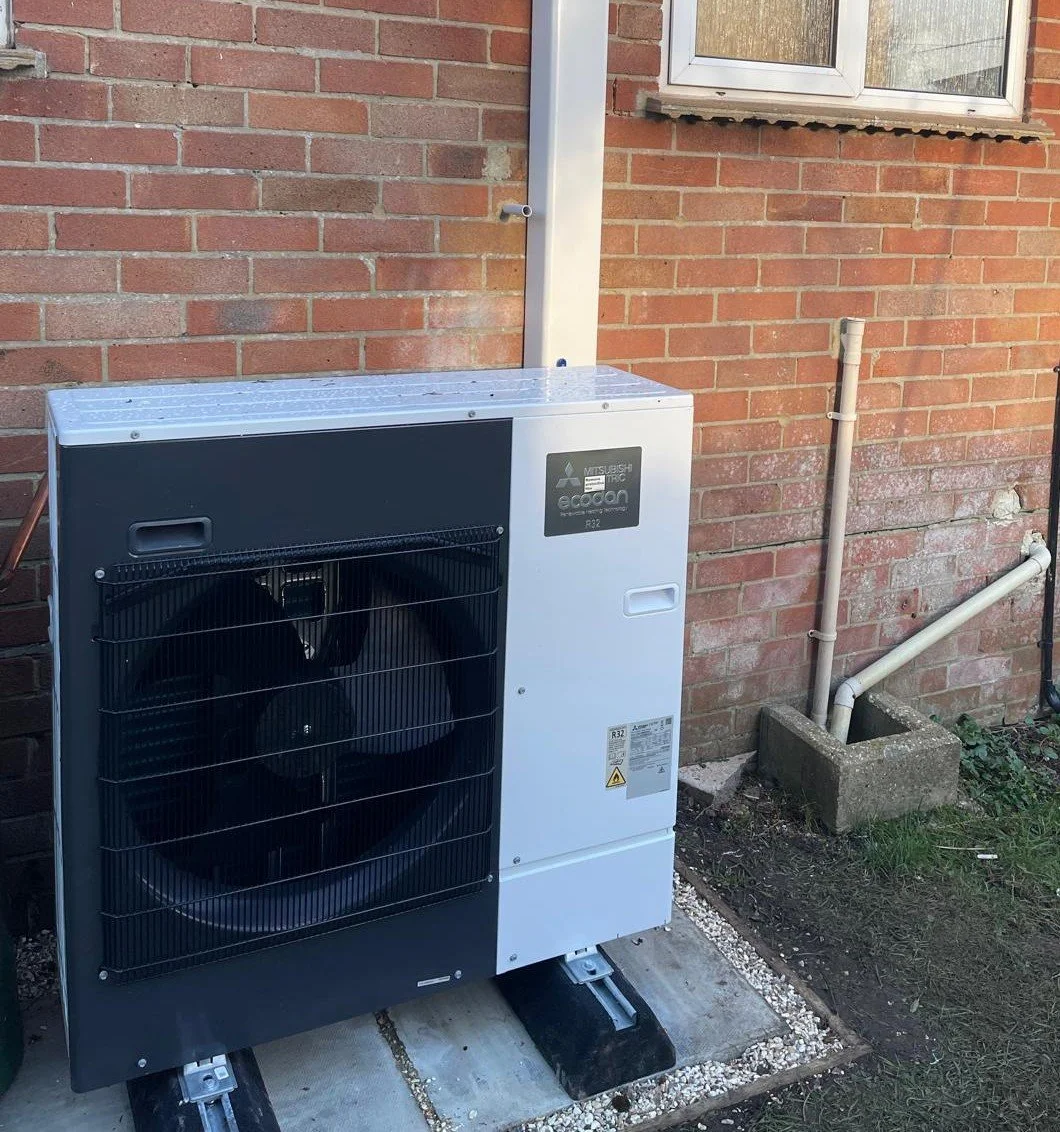
The physical requirements of a retrofit deserve equal attention. Suitable outdoor unit positioning, available space for hot water storage, pipework routes and electrical supply arrangements must be considered during planning. Depending on the property and proposed equipment, planning permission requirements and installation constraints may also need to be checked.
Rather than assuming every component needs replacing, the aim is to identify the alterations necessary for a suitable installation.
“Alliance are a very professional company, very reliable and offer competitive rates. The jobs they carry out have been completed to a high standard and communication is always clear and concise. Definitely recommend this company for your plumbing & heating.”
Amanda Hodgkinson

Radiator and Pipework Upgrades for Heat Pumps
One of the most common questions about heat pump retrofitting is whether existing radiators will need replacing. The answer depends on their heat output at the proposed operating temperature, as well as the heating requirements of the rooms they serve.
Heat pumps generally operate more efficiently at lower heating water temperatures, which can affect the output available from existing radiators. Some may need to be replaced with larger or higher output models, while others could already be suitable, particularly where the property has good insulation or generously sized emitters.
Existing pipework must also be assessed for adequate circulation. Pipe diameters, hydraulic resistance and the layout of heating circuits can influence whether the required water flow can be achieved. Where underfloor heating is installed, its compatibility and control arrangements should be considered alongside any radiator circuits.
Our engineers can assess these elements to determine where upgrades may be necessary without recommending the replacement of equipment that remains suitable.
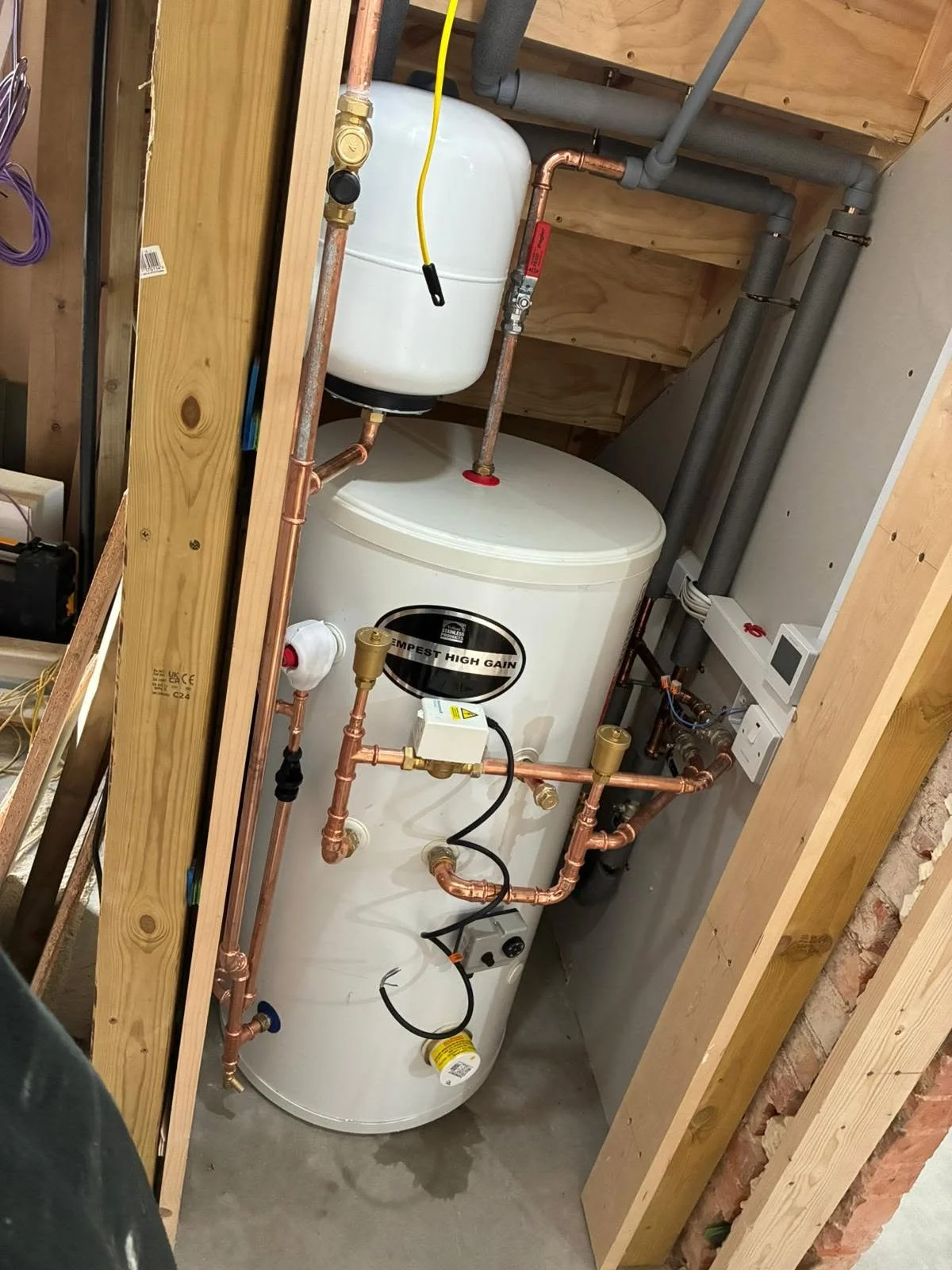
Hot Water Cylinder and Heating System Adaptations
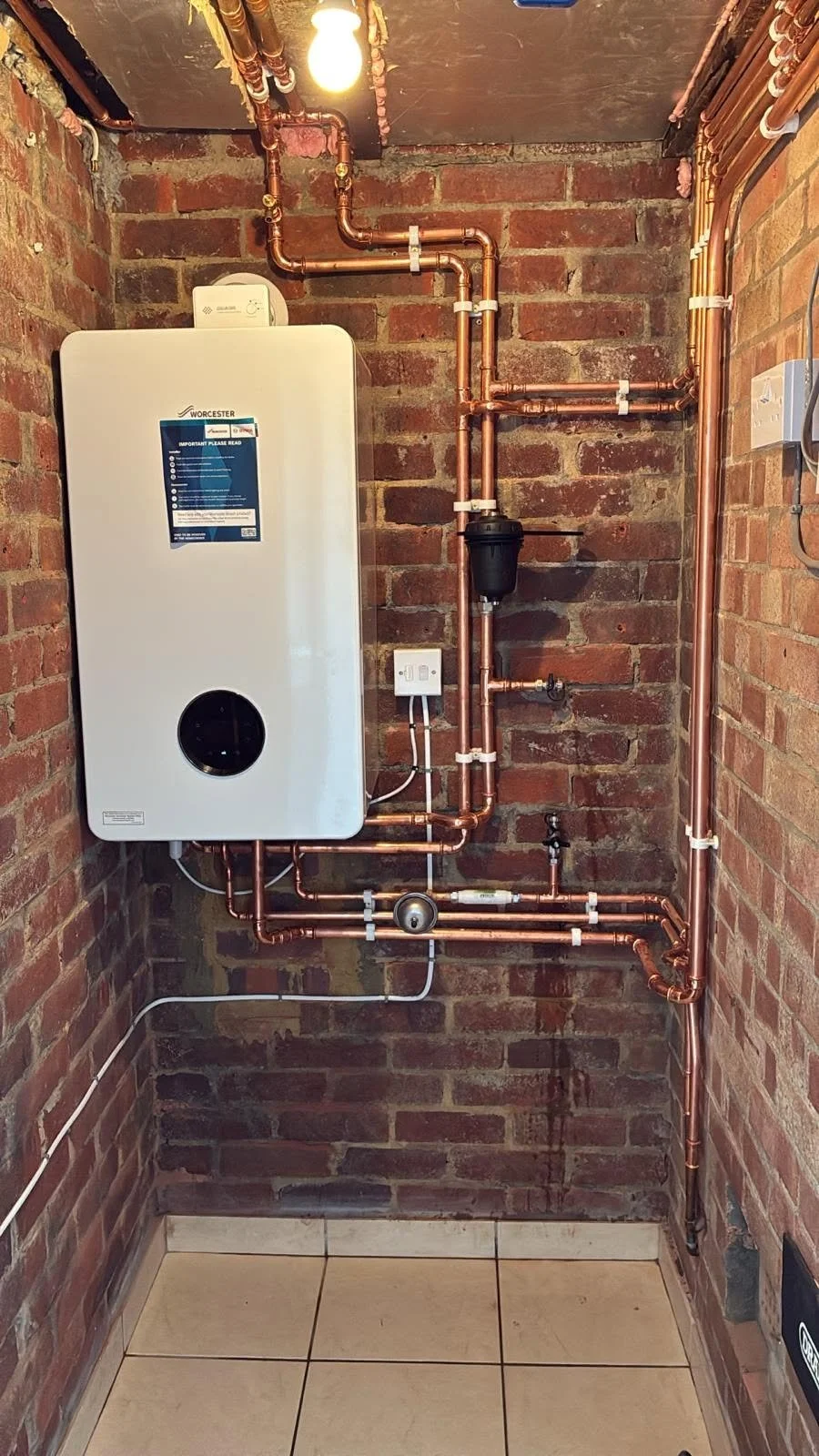
Replacing a conventional boiler with a heat pump can also affect how domestic hot water is produced and stored. Properties replacing a combination boiler with a conventional air to water heat pump will usually need a suitable hot water storage arrangement, although the exact requirements depend on the equipment selected.
Cylinder selection involves more than finding enough space for a tank. Storage capacity, heat exchanger performance, achievable water temperatures and the household's expected demand all need to be considered. The design must also account for safe hot water storage, appropriate temperature controls and any supplementary heating required to meet the manufacturer's instructions and applicable guidance.
For properties that already have a cylinder, its suitability for the proposed heat pump needs to be checked rather than assumed. Depending on the installation, additional valves, pumps or hydraulic components may be required to integrate the new heat source with the existing distribution network.
Upgrading Heating Controls for a Heat Pump Retrofit
Traditional boiler controls aren't always the most suitable arrangement for a heat pump. Equipment that operates effectively over longer periods at relatively low water temperatures can respond differently to frequent on-off demands or substantial changes in thermostat settings.
When retrofitting a heat pump, the control strategy should be considered alongside the heating circuits it serves. Weather compensation can adjust target flow temperatures as outdoor conditions change, while suitable scheduling and zoning arrangements help manage comfort without unnecessarily interrupting operation.
Existing thermostats, motorised valves and control wiring may be reusable in some circumstances, but compatibility depends on the chosen equipment and manufacturer requirements. Our approach considers how these elements need to work together so that the finished installation is practical to operate and appropriately configured for the property.
Based in Reading, we support homeowners and businesses throughout Berkshire with heat pump retrofitting, existing heating system assessments and installation planning. Whether you're renovating an older property, preparing for a boiler replacement or exploring renewable heating for the future, our team can discuss the practical requirements and help you plan the next steps.
Plan Your Heat Pump Retrofit in Reading & Berkshire
If you're considering moving away from your current boiler, Alliance Renewables Solutions can help you understand what upgrading your heating system would involve.
Experienced Engineers You Can Rely On
Our engineers hold recognised industry qualifications and accreditations relevant to the work they carry out. These standards support the quality, safety and professionalism behind our installations, servicing and repairs, giving you confidence that your system is being looked after by appropriately qualified professionals.